Healthy Country, Healthy Waters, Healthy Communities Photo and Video Competition – WINNERS ANNOUNCED!!!
We are excited to announce the winners of the 2025 Healthy Country, Healthy Waters, Healthy Communities Photography and Video Competition. Judges had a difficult time deciding as all the photos showcased the unique work of Indigenous Ranger groups and IPA providers. Their daily work is crucial in managing and protecting Australia’s natural and cultural heritage.
Indigenous Rangers use traditional knowledge and cultural practices combined with Western science to manage land, river and sea Country. They also deliver environmental, cultural, social and economic development outcomes.
On this page you can view the winners, including the People’s Choice winners as voted by the public.
Photography category
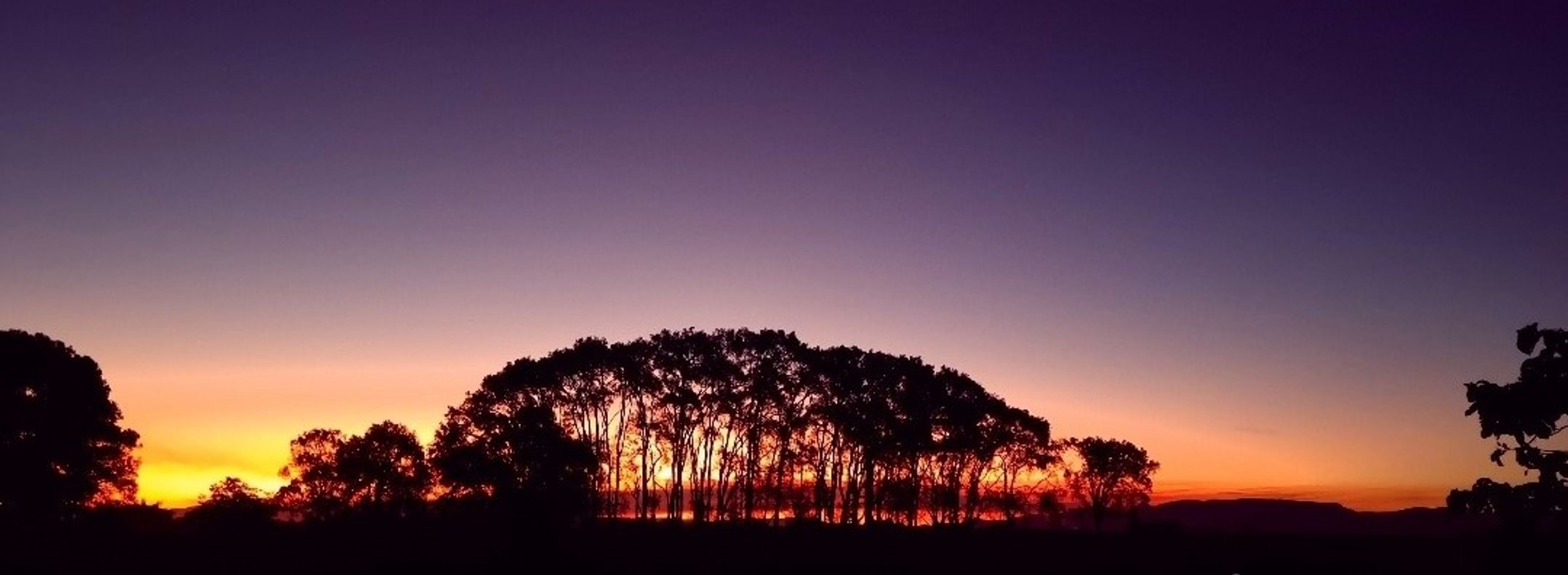
Photographer's description: Entry of Mungalla Station, When I took the photo, I could see the old people standing between the trees.

First place:
Shadows
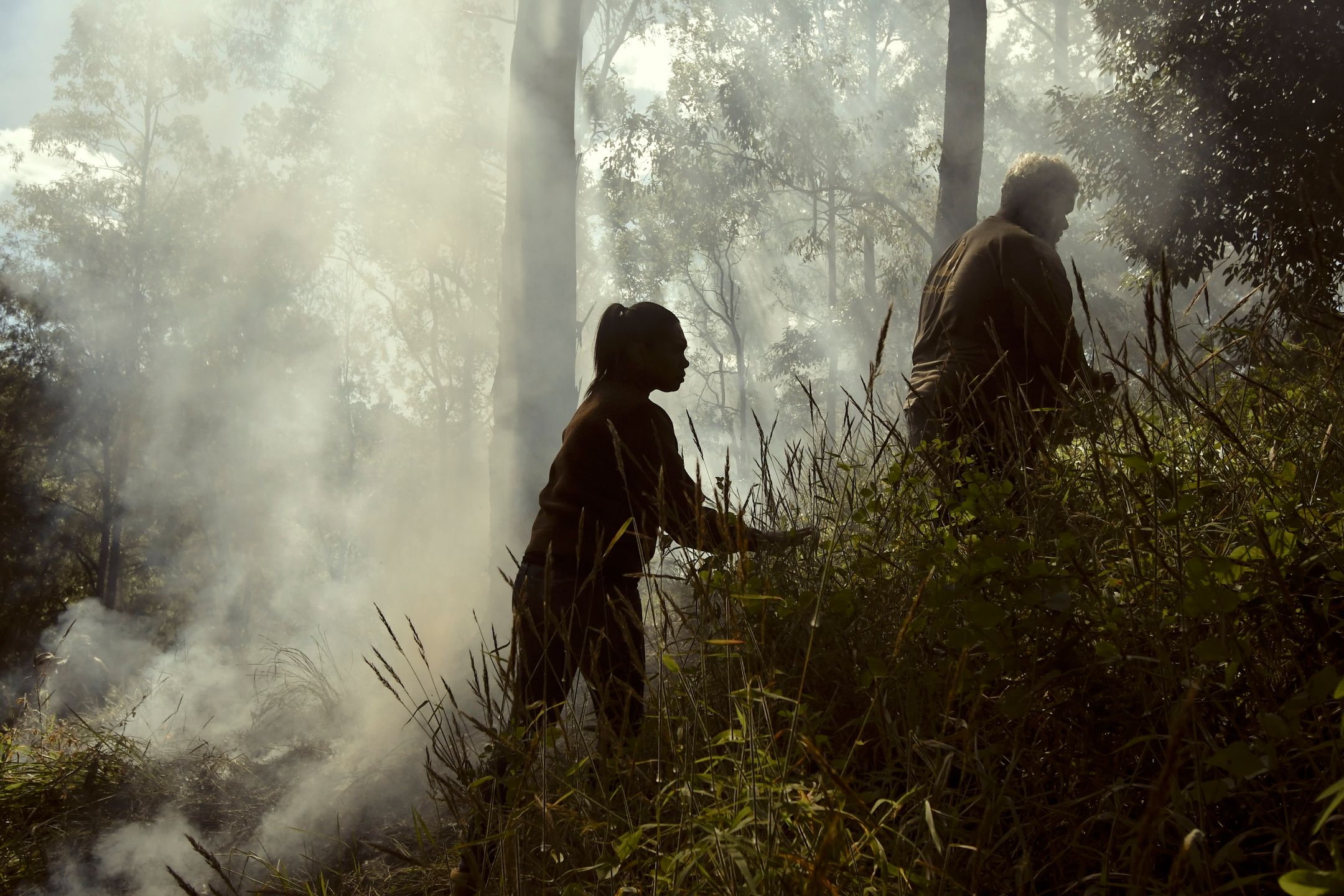
Photographer's description: The ease demonstrated by these two young Bundjalung people as they gently moved fire through Country was at once, so peaceful and also enthralling to watch. The two didn't speak much from what I could tell. Their actions moved in tandem with each other, each one knowing what needed to be done - supporting the other through observation and also through a shared knowledge of Country - they held an energy and an understanding that surpassed words. The afternoon light suspended the smoke in the air which enhanced their silhouettes, giving this image a sense of peace and tranquility.

Second place
Young Rangers caring for Country
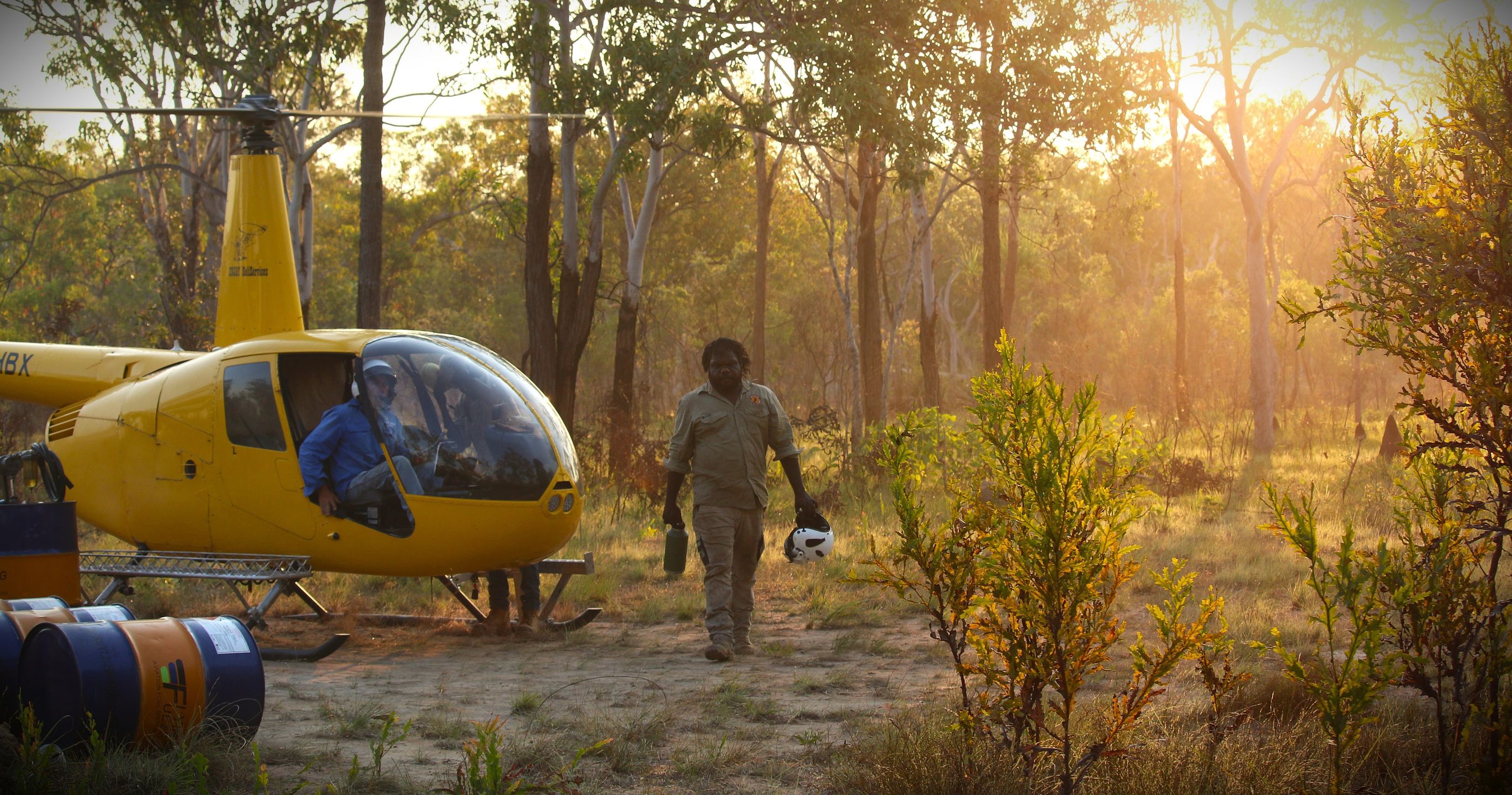
Photographer's description: Manoah Nawilil, one of Warddeken Land Management’s Bininj aerial platform shooters and a senior feral mayh (wildlife) officer, steps out of a helicopter after a successful aerial culling mission. In September, Warddeken’s Mayh team, alongside NAILSMA and CDU, hosted rangers from across Arnhem Land to deliver the first level 3 unit in feral animal management designed specifically for First Nations ranger groups. Held at Markarlarl camp on Yurlhmanj Country, high up on the Arnhem plateau, the week-long training blended Indigenous knowledge with Western science, focusing on practical control methods and solutions to build tailored action plans for each group. During the final days, Manoah and the team put their strategies into action—targeting feral pigs to protect the health of Yurlhmanj and surrounding estates. This program marks a significant step in Indigenous rangers leading long-term feral animal management on Country.

Third place
Bonj (Finished)
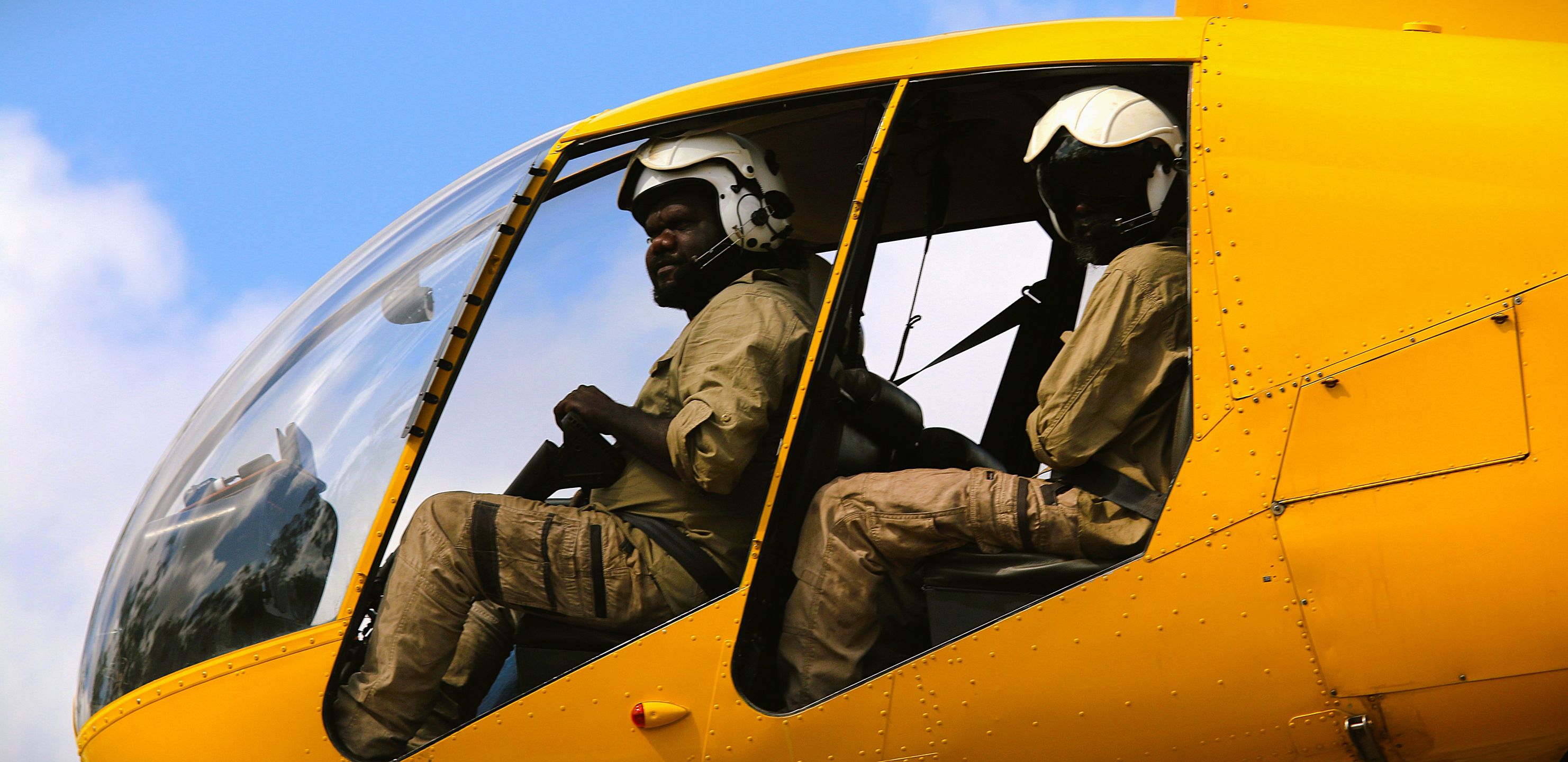
Photographer's description: Manoah Nawilil and Zacharia Namarnyilk take to the skies to conduct targeted aerial culling of feral pigs on Yurlhmanj country, within the Warddeken IPA. Seated at the back and playing the role of spotter for this session is Zacharia, a senior djunkay (caretaker) for the Yurlhmanj estate. The operation was part of a week-long, on-ground training camp where rangers from four groups across Arnhem Land came together to complete a level 3 unit in feral animal control techniques, delivered by CDU. This was developed in collaboration with NAILSMA and is the first of its kind to offer formal certification tailored to the unique work of Indigenous rangers and recognises their long-standing efforts in tackling feral species management. Zacharia and Manoah have been leaders in this work over the last fifteen years and are proud to see healthy Country thriving through effective feral animal control on estates like Yurlhmanj.

People's Choice award
Sky Rangers
Videography category
Videographer's description: The rangers conducted ecologically and culturally significant turtle research on Amburrkba, accompanied by Traditional Owner Freda Wurramarrba and her family. The research was special to all, with a number of traditional owners never having seen a turtle build her nest and lay her eggs. It was also very special as Freda had not been to the island in a long time, and she was able to share stories with her grandchildren. Ecologically, the research is important as it shows that the island is a very significant hawksbill turtle rookery and builds baseline data to understand how climate change may impact this activity.
First place
Amburrkba North East Turtle Camp
Videographer's description: I believe this video is important to share because it captures the passion we have for caring for Country and revitalising our culture through meaningful work—connecting to land, sea, skies, and people. Filmed on Warulkawa (Deliverance Island), our Indigenous Protected Area, it documents our biodiversity efforts including flora and fauna surveys, revegetation monitoring, marine debris clean-up, turtle nest tracking, and invasive species assessments. My connection to this work is deeply rooted in ancestral stories, dancing, and singing, which continue to guide and strengthen our purpose.
Second place
Caring for Country
Videographer's description: This Djilba season, the Badgebup Junior Rangers have visited Piesse Park to create a video promoting on-Country learning, in partnership with our local ‘Friends of Piesse Park’. Our goal is to inspire the community to see our local environment through fresh eyes and recognise its cultural and ecological value to bring our commUNITY together . Focusing on the wetland area, we aim to raise awareness and appreciation for the land we belong and learn from and the Snake necked turtles and the biodiversity that is unique and in need to protect. By sharing our experiences through podcasts and videos, we hope to spread our message of environmental conservation and cultural connection. Our project highlights the historical significance of the area and its ongoing connection to neighbouring Noongar mobs. Like generations before us who passed down knowledge through stories, we hope our learning journey encourages others—young and old—to value these special places and get involved in protecting them for the future. We hope you enjoy our presentation, The BAC Junior Rangers.
Third place
Badgebup Turtle Trackers
Videographer's description: The rangers conducted ecologically and culturally significant turtle research on Amburrkba, accompanied by Traditional Owner Freda Wurramarrba and her family. The research was special to all, with a number of traditional owners never having seen a turtle build her nest and lay her eggs. It was also very special as Freda had not been to the island in a long time, and she was able to share stories with her grandchildren. Ecologically, the research is important as it shows that the island is a very significant hawksbill turtle rookery and builds baseline data to understand how climate change may impact this activity.
People's Choice award
Ammburkba North East Turtle Camp
×